

Whisky writer Dave Broom joins us on the Master of Malt blog to talk about the new edition of The Japanese Way of Whisky: Japan’s whiskies and how to enjoy them.
When we discuss Japanese whisky in 2026, we tend to talk about price, scarcity, and the latest lottery release. In both the original book, published in 2017, and the update released at the end of 2025, Broom would rather talk about Japan itself. The people. Concepts, cultures, and cuisines. The Japanese Way of Whisky is part travelogue, part meditation, part tasting journal.
Joined by photographer Kohei Take, Broom’s travels took him from Kanosuke in Kyushu to Yoichi and Akkeshi in Hokkaido, moving between still houses and late-night bars, pottery classes and restaurants aplenty. He explores Whisky-dō, the notion that whisky making in Japan is not merely production but practice. A pursuit of balance that borders on philosophy.
The updated edition also reflects on legislation that aims to clarify what can legitimately be called Japanese whisky. In the past decade, the category’s explosive growth left plenty of room for ambiguity. The new wave is covered too, with plenty of fresh faced Japanese distilleries giving serious cause for optimism. But let’s start at the beginning.
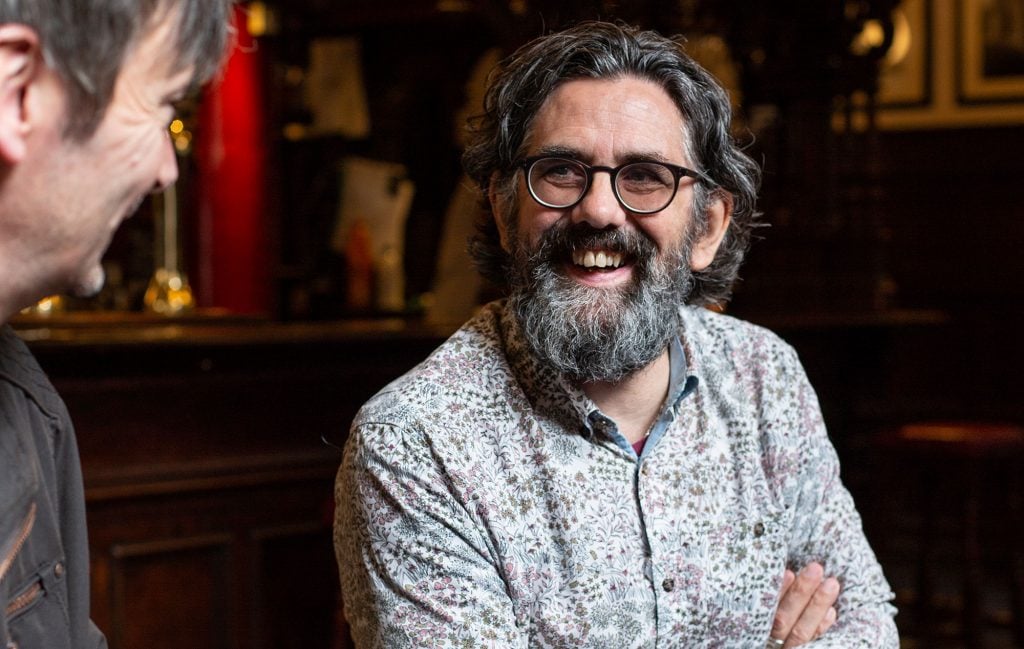
Dave Broom is here to talk all about his book and Japanese whisky
The love of Japan
In Jim Meehan’s foreword, he says, “Broom clearly loves Japan”. The reader will concur. Broom says that the relationship goes back to his student days and a passion for beat culture. This led him to Gary Snyder, the inspiration for the Japhy Ryder character in Kerouac’s novel The Dharma Bums (1958). American poetry led to Japanese poetry, which led to Zen culture and Japanese film… All wrapped into a fascination with a place that seemed so different, the antithesis to the Americanization of society.
It wasn’t until 2001 that he was invited to go to Whisky Live in Tokyo that whisky bolted itself onto this existing fascination. That feeds the book, not simply one on Japanese whisky. It’s a book about Japan and how it approaches whisky, framed by its culture, cuisine, philosophy, and arts. Travelling with Take, it became obvious to Broom that the order of the book should mirror his trip. From kaiseki to raw cow guts in Hokkaido, dyeing their shirts with indigo, then feasting on silver noodles. Broom saw Japan partly through Take’s eyes, and then whisky through that lens.
“I loved the way that Taki’s photos concentrated on people’s hands, on their eyes; he seemed to get that it wasn’t all beautiful landscape pictures, but to go into the nitty-gritty of everything,” Broom explains. “It would have been easy to travel with a British photographer or an American photographer, then it just would have been a pretty picture book. Actually having somebody who had travelled extensively in Japan and who was deeply ingrained in the world of craft and art and food and weird bars helped immensely”.

The Japanese Way of Whisky is available to buy now
Writing about whisky differently
Broom and Take are tandem tour guides for the reader in a book that takes a travelogue style over an encyclopedic approach. It’s a deep dive that included distilleries as part of the journey, not as the final destinations. Not your typical whisky book, in other words. Which makes you ask why there is such a thing. Broom thinks the lack of originality in the structure and approach of whisky literature is not a fault of the writers.
“I have been given great latitude by my publisher to do two narrative whisky books with a sense of place. To write in a different way about whisky. I’ve done The Whisky Manual (2014) and The World Atlas of Whisky (2024 – Third Edition), and these books are valid, but there is so much more to talk about than just yet another guide to distilleries or yet another list of tasting books or yet another beginner’s guide to whisky,” he says. “I wish that publishers allowed writers to be able to kind of broaden the discussion because there are so many stories that are being missed as a result of it”.
It comes back to Gary Snyder. To an understanding that everything is connected and that if you are approaching anything, food, living, whatever, to examine culture, you look at the condition. Broom applies that logic to whisky.
“What grows here? Why are we making whisky? You look at the climate and how the conditions impact people and how people impact the conditions, and the two elements work together. How you will be making a drink that suits the palates of the people and the drink culture, or the drink becomes part of the culture, and everybody will have a slightly different drinking culture. Do that, and you begin to see individuality and styles evolving”.
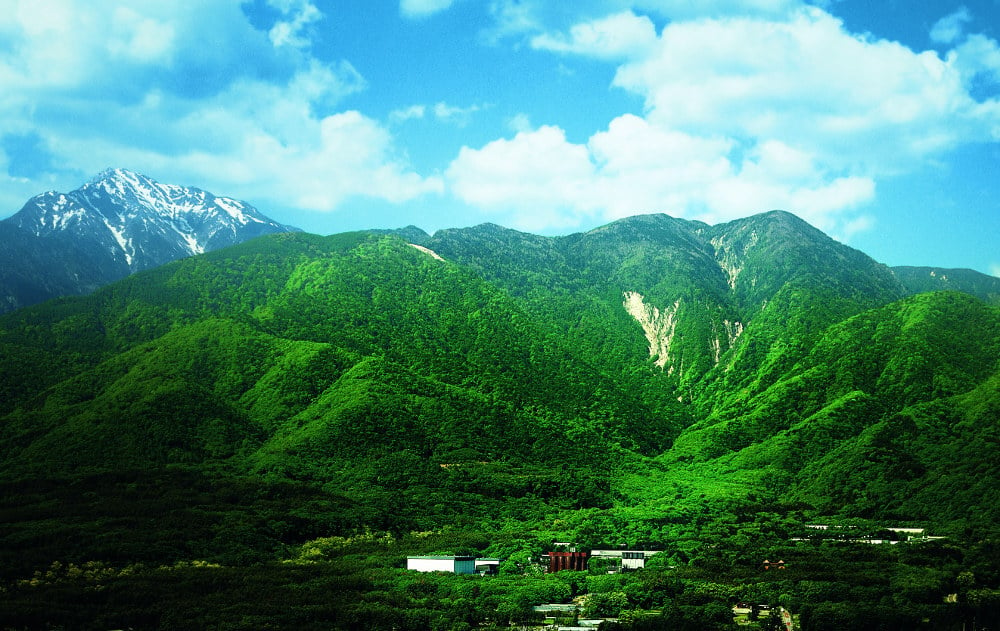
The stunning Hakushu Distillery, part of Broom’s journey
The sense of place understood
Broom says the third edition of the World Atlas of Whisky had to be an almost complete rewrite because there are now so many countries making whisky around the world. Just as he submits a final edit, an email comes through about a distillery in Uruguay. “That’s how fast it seems to move and change now,” he says. “Approaching whisky through the lens of its conditions once more, you ask why Australian whisky is different. Simply put, a lot of it is down to the fact that it’s in Australia. The flavours of Starward’s Melbourne reflect its abundance of local wine casks. Peter Bignell’s Tasmanian whisky Belgrove is made in a still of reclaimed copper from fallen power lines and grain is malted in an old tumble dryer. They are a result of where and who”.
The history of whisky has always been written as a business history rather than as a social history. Drinks are cultural products, but it’s simpler to look at them completely separate from life.
“The whisky industry is over there, and the wine industry is over there, and fabrics are over here, but it’s not,” Broom outlines. “They feed into the culture, and they feed from the culture. If you begin to see them through that light and actually step back and say, right, how have they been talked about in the past? Where are they in music? Where are they in poetry and literature? Suddenly, you get this much richer view of what whisky is”.

Detailed distillery profiles are a feature of the book
The changing Japanese whisky
That evolution is heightened by the differences between Japan now and the original trip in 2017. Back then, they visited every distillery, all 10. Now there’s circa 150. Everything has changed. This gentle update of the original book features each of the original profiled distilleries, but with an updated section that addresses the greater diversity and a deepening of interest in the local. For more information on the subject, we recommend reading our article Top Whisky Distilleries 2026 To Watch Out For, which features a full section on the future of Japanese whisky with reference to this book.
Broom positions Ichiro Akoto at Chichibu as the figurehead, showing new distillers what was possible, building a distillery when the industry was still in a pretty fragile state.
“His approach, which is very Japanese, is absolute rigour, but also looking at working with local farmers to grow barley and then revive old barley strains and then looking for local oak and beginning to drill down into what makes us special. Look into his conditions, and you see that replicated in a whole number of different distilleries. Akeshi, for example, wanted to make 100% Hokkaido whisky and also a greater spread of distilleries from the very tip of Maida all the way down to Kyushu, even further south to Yakima”.
Then there are climatic differences, because Japan is a distinctive, varied, and long country. “You’re seeing all these different whisky styles, beginning from subtropical up to incredibly cold. I think it’s a really exciting whisky-making country. There are too many distilleries, but I think it’s a really exciting time. It’s at another stage in its evolution”. He only touches on it here, but no country is insulated from whisky’s boom-bust nature and it would be fanciful to think all of Japan’s new distilleries will make the grade.
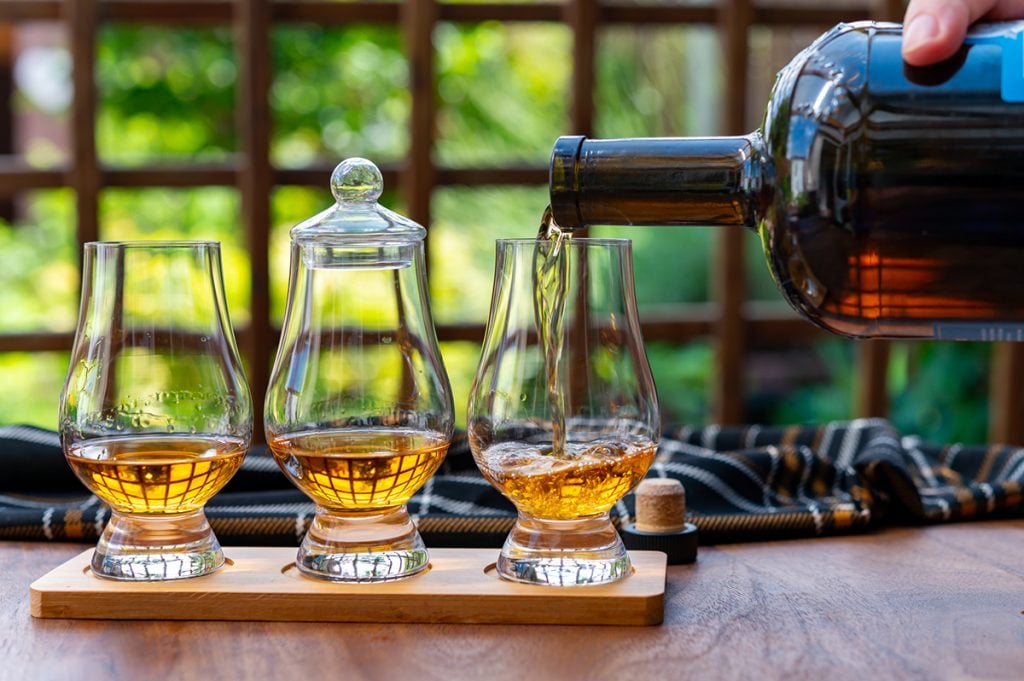
Is Japanese whisky the new Japanese whisky?
The new Japan is… Japan?
Still, the fertility and possibility in Japanese whisky right now draws a natural excitement. A question that has teased whisky drinkers in recent years is guessing the location of the “new Japan”. It was the first “outsider” region to sit alongside the holy trinity of Scotch, Irish, and American whiskey, but now that it has, we naturally want to see who’s next. The Nordics have seemed the most likely frontrunner, but this new wave prompts the question: Is the new Japanese whisky… Japanese whisky?
“New Japan is a genuinely exciting place for people to be making whisky,” Broom says. “Nordic distillers look to Japan as their inspiration rather than Scotland, then ask how to make it Nordic. There’s something about the clarity and the precision of a lot of the Nordic whiskies, which are more aligned to Japan than they are aligned to Scotland.”
Japan is experiencing the effects of its explosion with diversity and distinction. That makes definition difficult. Broom asks every producer how they perceive Japanese whisky and they all have a slightly different perspective. ”If everybody answered the same, it would be fairly boring,” he notes. In one section in Osaka, Broom says that, to understand whisky, you have to poke under the surface, see what lurks there and work out on some level if there is a shared philosophy with other crafts. Think of flavour and cuisine. The latter exists because of climate.
“Summer rains give rice, the meeting of cold and warm ocean currents delivers rich fishing grounds, while a history of poverty has helped to create an aesthetic approach that prizes clarity and precision. This applies to food, or paper, or knife-making, ceramics, and so on. The ingredient isn’t hidden or obscured; rather its qualities are heightened. The drink needs to mirror that. Both are ‘transparent’, but don’t think that means ethereal and wispy; instead it is lucid, unclouded. If Japan had invented whisky and Scotland had been inspired to follow its lead, then the Scottish approach would have been different because Scotland’s conditions – climate, cuisine, occasion, were not the same. Whisky is cultural and it is natural.”
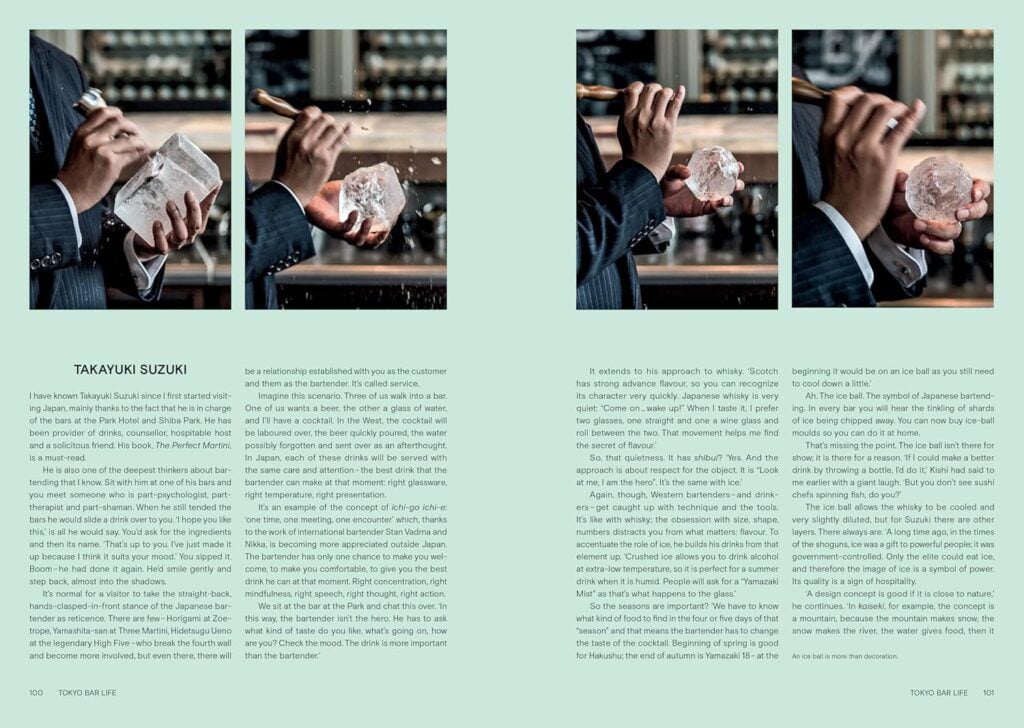
Broom explores Tokyo bar life among other topics
Collaboration and legislation: The new way?
That’s why the emergence of greater legislation is important. A more formal legal framework seems inevitable. But bureaucracy means it will take time. “That any JSLA member has to abide by the regulations and guidelines, and also will have the logo on the bottle is a major move. It’s a matter of getting the right government department to take out the right rubber stamp and do it. Ireland’s going through a very similar thing at the moment. It was going to be two years ago, and now it might happen next year,” Broom explains. “The important thing is that the more people put those logos onto the bottles, it will become apparent what 100% true Japanese whisky is.”
Which is not to disparage what may more reasonably be called “World Blends”, the combos of Japanese whisky with Scotch or Canadian whisky which have long been a staple of the country’s whisky culture. “Japan kind of leads the way by default in world blends and they’re absolutely valid,” Brooms says. “It’s just a matter of calling it what it is. The coming of the legislation is kind of the starting pistol for New Japan. Any of the new distillers who are serious about making whisky will abide by them.”
Another distinction of modern Japanese whisky is a collegiate feeling that Broom finds fascinating. “I think back to Whisky Live… 2003? We did a panel with I think four of the Japanese producers on stage, and it was the first time they’d ever met. Now the major players are friends and are working together. They all see the real need to challenge all the fraudulent Japanese whiskies which are out there, and they’re being proactive about it. Rather than wait for the government to do it. Which I think will happen, they’re now kind of going, Right, enough is enough, but we’re sticking this on the bottle. And that’s good”.
Exportation was a unifier. “It brought Japanese distillers together at whisky shows. They might be huge rivals on the commercial side, and that’s the nature of business, but at the same time, they began to see the benefit of this thing called Japanese whisky and the way that retailers and consumers looked at it as a category: where are you going to put it on the shelf, how are you going to talk about it? To some extent, it’s an inevitability of that process,” Broom explains.
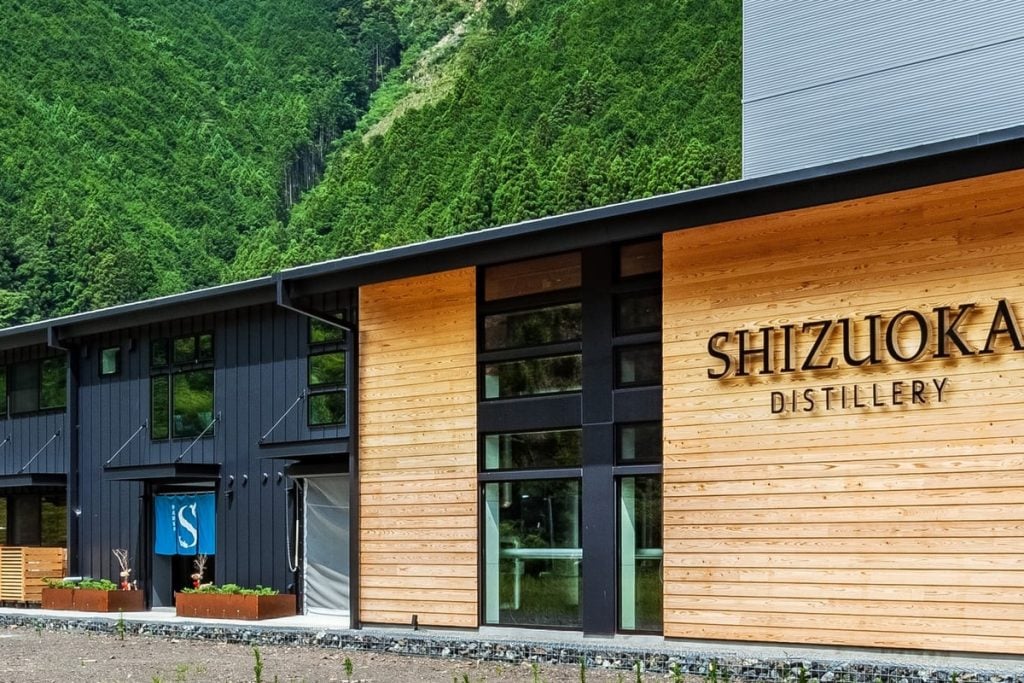
New Japanese distilleries like Shizuoka have promise.
Japanese whisky has value. What happens when it has volume?
“That market essentially they had for themselves for quite several years is now beginning to shrink. Because you have the Nordics, because you have Australia, etc., and you’re beginning to see volume coming out, and you begin to see more people beginning to export and appearing on shelves, and it means that Japan doesn’t have that field to itself. So, a) legislation is really important, and also b) price is really important because it’s way too expensive. Without samples, I wouldn’t be buying Japanese whisky because I couldn’t afford it. That really has to be addressed because they will be outpriced on markets”.
That’s not an easy path. Soon, we will begin to see the extra volume coming through. “I think it will take a long time, but unless that extra volume is well priced, then I think a lot of these new distilleries will be in trouble. I think the new Mars are really keenly priced, and certainly the new Fuji brands are really keenly priced as well. So maybe that’s the start”.
Perhaps a widening demographic will offer salvation. Sitting in a restaurant in Osaka, Broom observed a widening demographic enjoying whisky, clinking together Highball glasses. “I would say I see a much wider demographic every time I go to Japan. It’s less male-oriented. You’re seeing more hardcore whisky bars seeing more women drinking often on their own, not the long-suffering partner, being dragged along. A much greater age spread was apparent too. Japan, Taiwan, whisky shows, all of a sudden, there’s young people who drink whisky. It fills me with hope. A friend of mine runs the whisky show in Beijing, and the demographic split, I think he was saying it’s 45% female and the age is probably 35 and under.”
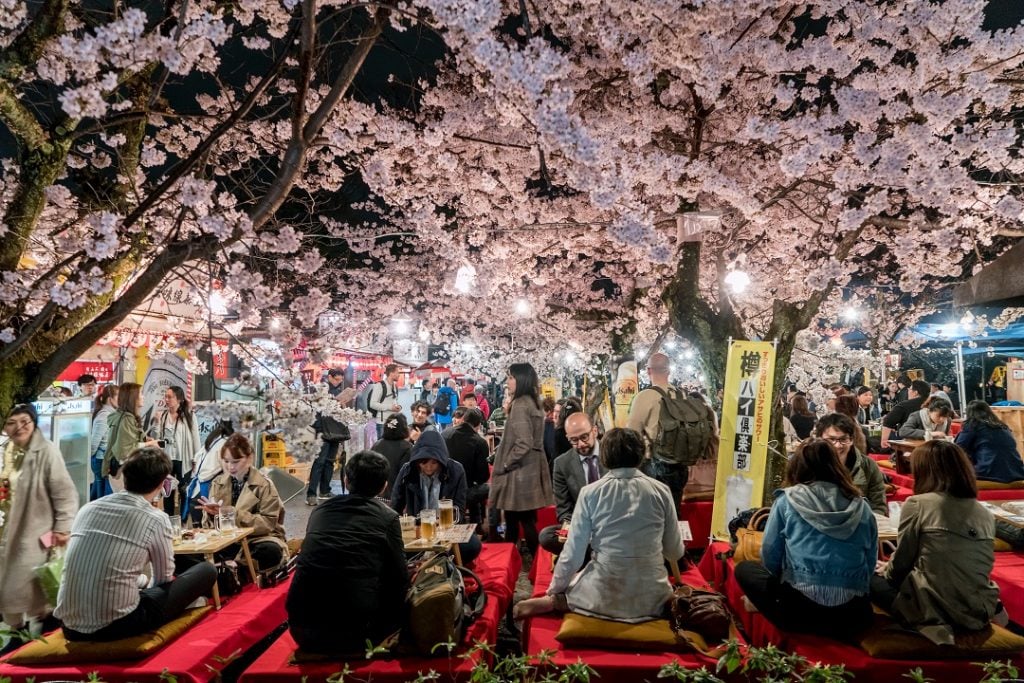
Japanese whisky is changing and a demographic shift is part of that
Japanese whisky will always be Japanese
For all the discussion around legislation, authenticity, and pricing, Broom ultimately returns to something less tangible. Japanese whisky can borrow techniques from Scotland. It can use imported barley, foreign oak, or even world whisky in blends. But the result still reflects Japanese conditions, Japanese aesthetics, and Japanese ways of thinking.
That’s what interests him most.
“There’s this temptation to define everything absolutely,” Broom says. “But I think Japan often approaches things differently. It’s more about understanding than categorising.”
Throughout The Japanese Way of Whisky, that idea appears repeatedly. In food, craft, architecture, and drink, there’s an emphasis on clarity and precision, but not necessarily perfection. The temptation is to define, but the thing that comes across from his travels is the appreciation to understand. Broom references concepts like wabi-sabi, the acceptance of impermanence and imperfection, as well as furyū monji, the Zen idea of understanding through direct experience rather than explanation. Whisky, he suggests, often lives in that space too.

From tales to tasting notes
Whisky as more than a product
This helps explain why Japanese whisky can feel elusive. Even when you understand technically how it’s made. Why a Suntory blend tastes different not just because of production choices, but because of the cultural environment surrounding it. Why Masataka Taketsuru may have learned whisky making in Scotland, but what emerged in Japan became something distinct.
Broom points to figures like Shinjiro Torii, Suntory’s founder, whose vision was never simply to recreate Scotch whisky, but to create a whisky suited to Japanese palates and Japanese drinking culture. Even details that seem minor, from producing exceptionally clear wort to the delicacy of the Highball ritual, begin to form part of a wider philosophy.
That philosophy continues to evolve. New distilleries experiment with local barley varieties, regional climates, and different approaches to maturation. Some may fail. Some already feel unsustainable. But Broom sees energy in that uncertainty.
“Any craft dies if it loses touch with its origins,” he says. “But it also dies if it calcifies.”
Which perhaps explains why Japanese whisky remains so compelling. Not because it has reached some final form, but because it still feels in motion.
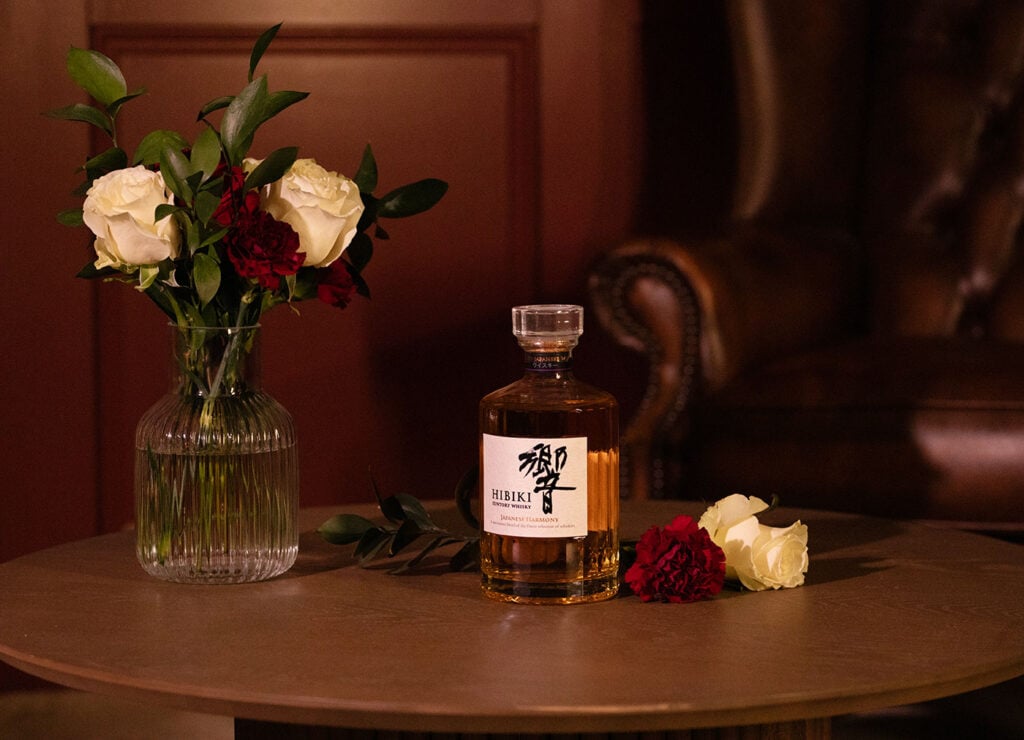
You can grab yourself some Japanese whisky right here.
Bonus content: Amber Isle details!
Just as a little addendum, it’s worth noting that the follow-up to Broom’s film, The Amber Light (2019), The Amber Isle should be on a screen somewhere this year. Where Amber Light showcased Broom’s quest to gain a deeper understanding of Scottish whisky and its origins (which you can watch on Netflix), The Amber Isle takes Broom to Ireland. His website teases: “There hasn’t been a doc looking at Irish whiskey in this way. It’s a story that’s not been told and the time is right for it to be told. And where else are you going to find Finnegans Wake as a guiding text for a ‘whiskey documentary’?”
But what of an Amber Japan? “We actually did some filming in Japan a few years back, which was going to be part of a different project and never quite got off the ground. So it wouldn’t be an unfair assumption that there might be some sort of Amber Sun or something in the future…”



